Pet Paw Print Trail Embroidery Design Review
A First Look at Pet Paw Print Trail
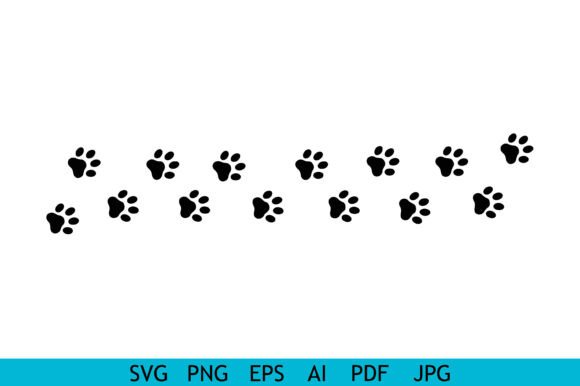
At first glance, Pet Paw Print Trail feels like a charming nod to our furry friends. The design captures the essence of a pet's footprint with a sense of whimsy and simplicity that immediately makes it appealing for a variety of handmade projects. The vector layout is clean, and the trail element adds a subtle motion to the paw print, making it feel dynamic rather than static.
The visual personality of this design leans into a playful yet elegant aesthetic. It’s not overly detailed, which is a good thing—too much complexity can be a challenge in embroidery, especially when working with smaller hoop sizes or delicate fabrics. The shape and theme are versatile enough to work across different mediums, from baby items to boutique branding.
How Pet Paw Print Trail Performs in Real Projects
As an experienced designer, I tested Pet Paw Print Trail on a custom embroidered tote bag intended for a small shop selling handmade pet accessories. The design stitched cleanly with minimal distortion, and the trail added just enough visual interest without overwhelming the fabric. It worked particularly well on light-colored cotton, where the contrast between the stitching and fabric was clear and crisp.
This design would also be a great fit for sweatshirts, t-shirt embellishments, or even cap patches. Its simplicity allows it to blend seamlessly with other graphics or stand alone as a statement piece. For baby clothes or nursery decor, the softness of the trail could add a gentle, inviting touch that appeals to parents looking for personalized gifts.
When applied to pillow covers or kitchen towels, the design maintains its clarity and charm, making it suitable for both personal use and commercial embroidery projects. As a digital embroidery file, it’s easy to manipulate and integrate into printable mockups or craft business listings, especially for Etsy sellers or small shop product creators who need quick turnaround times.
Where to Use Pet Paw Print Trail with Caution
While Pet Paw Print Trail is versatile, there are some scenarios where extra care should be taken. For instance, when using it on small hoop sizes, the trail might get lost in the detail, so it’s best to test it first on scrap fabric. Similarly, on textured fabrics or thin materials, the stitch density may require adjustment to avoid puckering or stretching.
Dark fabric backgrounds can also pose a challenge, especially if the design relies on subtle shading or line work. Testing the embroidery file in black and white mockups before finalizing the color scheme is a good idea. When using it on curved surfaces like caps or layered garments, ensure the design isn’t too intricate—it needs room to breathe and maintain its integrity.
Design Notes for Embroidery Professionals
If you're considering using Pet Paw Print Trail for your next project, here are a few practical steps to keep in mind:
- Test on scrap fabric to see how the stitches lay and adjust stabilizer or thread colors as needed.
- Check stitch density to ensure it works well with your chosen fabric type and hoop size.
- Review small details like the trail lines to make sure they remain visible after stitching.
- Use proper stabilizer to prevent shifting or distortion, especially on stretchy or thin materials.
- Confirm licensing before selling finished products or digital assets to avoid legal issues down the line.
Also, consider how the design affects the overall visual appeal of the finished product. A well-placed embroidered patch or sweatshirt embroidery can elevate a simple item into something memorable and marketable. It’s all about balancing charm with functionality.
Final Thoughts on Pet Paw Print Trail
Pet Paw Print Trail is a thoughtful addition to any embroidery project that calls for a touch of pet-inspired whimsy. Whether you’re creating personalized gifts, handmade products, or small shop merchandise, this design has the potential to enhance your work without overwhelming it.
Its adaptability makes it ideal for crafters, apparel decorators, and digital product sellers alike. Just remember to approach it with a designer’s eye—test, tweak, and tailor it to suit the specific needs of your embroidery project.