Fallen Soldier Battle Cross Memorial
A Design with Deep Meaning and Strong Visual Impact
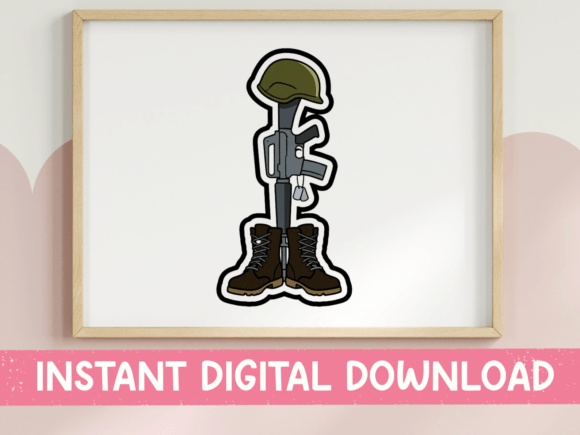
When I first saw the Fallen Soldier Battle Cross Memorial, I knew it was a design that carried weight—not just in its symbolism, but in its visual composition. It’s built around a battlefield cross, constructed from a rifle with a dog tag hanging from the barrel, a grenade at the base, and crossed rifles forming the crossbar. The level of detail immediately stood out, especially the textures in the rifle stock and the subtle shading on the dog tag. This isn’t just a simple emblem; it feels like a tribute carved into fabric.
The mood this design creates is solemn yet respectful. It’s not overly dramatic, which makes it versatile for both personal and commercial use. I can see it working well as a custom apparel piece, especially for military-themed sweatshirts, tote bags, or even embroidered patches for a small shop product line. The balance between bold shapes and intricate details gives it a professional look that doesn’t feel too heavy-handed.
Real-Life Embroidery Use: A Custom Tote Bag Scenario
Let’s imagine using the Fallen Soldier Battle Cross Memorial on a custom embroidered tote bag. As a designer, I’d start by considering how the design would scale. Would the rifle’s texture still be visible when stitched on a larger fabric? Would the dog tag hang correctly without looking distorted? Testing on scrap fabric first is always my go-to step—especially for a machine embroidery design that has such defined elements.
I’d also think about the thread colors. While the original design likely comes with suggested hues, I’d test it in black and white mockups to ensure the contrast works on different fabric types. If the final product is going to be sold as an Etsy seller item or used in a craft business, clarity and stitch density are key. Too many fill stitches could make the rifle look matted, while too few might lose the definition of the texture.
For a handmade product like a tote bag, the stabilizer choice is critical. A lightweight woven stabilizer should help maintain the structure of the rifle and prevent stretching. And if the fabric is dark, I’d check if the design’s colors remain visible. Dark backgrounds can sometimes mute the vibrancy of certain thread shades.
Where This Design Shines and Where to Be Cautious
The Fallen Soldier Battle Cross Memorial performs exceptionally well on medium to large hoop sizes. It’s not something I’d try to stitch on a tiny hoop—it needs space to breathe. That said, it’s not too bulky either, so it won’t overwhelm a cap or pillow cover if placed thoughtfully.
However, I’d be cautious when using it on stretchy fabrics like knits or jerseys. The rifle’s shape could distort slightly under tension. Similarly, if the design includes any tiny lettering or detailed corners, those areas might need extra reinforcement. For commercial embroidery, checking the stitch density is essential to avoid overloading the fabric and causing puckering.
It’s also worth noting that this design may not be ideal for layered garments or curved surfaces like caps. The rifle’s angular lines could get lost in the curve, and the dog tag might appear misplaced if not positioned correctly. But on flat surfaces like aprons, kitchen towels, or nursery decor, it looks striking and meaningful.
Visual Appeal, Customer Trust, and Brand Consistency
One of the things that stands out about this design is how it affects the visual appeal of the finished product. Whether it’s a personalized gift or a small shop product, the Fallen Soldier Battle Cross Memorial adds a layer of professionalism and intention. It speaks to a specific audience—military families, veterans, and those who honor the fallen—and that recognition alone builds customer trust.
As a craft business owner, I’d consider using this design in a printable mockup or digital product preview to show potential buyers how it would look on different items. It’s a strong asset for holiday embroidery or wedding gifts that carry a deeper message. It also aligns well with brand consistency if you’re selling design assets focused on military or memorial themes.
But before selling any finished items or digital products, it’s crucial to confirm the licensing terms. Even if the design feels like it belongs to the public domain, some embroidery files come with restrictions that could affect your ability to resell them.
Practical Embroidery Designer Notes
If you're planning to use the Fallen Soldier Battle Cross Memorial in your next project, here are a few practical steps to take:
- Test on scrap fabric: Always do a trial run before committing to a full project. Check how the fill stitch and satin stitch interact with the fabric texture.
- Review stitch density: Make sure the design isn’t too dense for the fabric you’re using. Adjust as needed.
- Confirm hoop size: Ensure the design fits comfortably within your hoop to avoid distortion.
- Inspect small details: Look closely at the rifle’s texture and the dog tag to ensure they translate well in stitching.
- Use proper stabilizer: Especially for darker fabrics or delicate materials.
- Check licensing: Before selling any finished products or digital versions, verify what you can and cannot do with the design.
The Fallen Soldier Battle Cross Memorial is more than just an embroidery file—it’s a symbol that carries meaning. When used thoughtfully, it can elevate a handmade product, add depth to a custom apparel line, or serve as a powerful personalized gift. Just remember to approach it with care, especially when considering fabric type, hoop size, and stitch settings. With the right preparation, this design can become a standout feature in your next project.